
Linguistic Halloween: The Origins Of The Season’s Spookiest Words
Halloween is a huge day in a child’s life. It’s the only holiday where it’s perfectly alright to go from door to door threatening to cause minor prope

The sun is shining, birds are birding and spring is springing here in the United States. Soon, millions of revelers will be racking up bar tabs in celebration of Cinco de Mayo, a little-understood “Mexican” holiday that is usually observed with significant amounts of booze (actual Cinco de Mayo history notwithstanding).
Guacamole and Tecate are noble pursuits in their own right, but before you head off to your “Cinco de Drinko” celebrations this weekend, get a load of these historical facts and surprising figures. And also, don’t call it “Cinco de Drinko,” because it’s a phrase that perpetuates negative stereotypes of Spanish speakers.
Cinco de Mayo history is maybe not what you think it is — and the truth is a lot more interesting.
Mexico’s Independence Day is celebrated on September 16. Cinco de Mayo is a celebration of a military victory against the French that occurred on May 5, 1862, in the Battle of Puebla. Mexico owed Europe a lot of money at the time, and France, Britain and Spain brought in their troops to collect that debt. Britain and Spain negotiated with Mexico and withdrew, but France decided to double down and try to add Mexico to its empire.
In the grand scheme of things, the Battle of Puebla wasn’t that big of a deal. But Cinco de Mayo came to be seen as a triumph against the many foreign attempts to invade Mexico. The Mexican army was the underdog in that battle, and it won in spite of the odds. It was partially the efforts of Chicano activists in the 1960s that brought awareness and meaning to this holiday. The activists touted the holiday as a symbol of resistance against imperialism, and they wanted to promote Mexican-American pride through its celebration.
Mexico doesn’t really celebrate Cinco de Mayo, outside of some military parades and historical reenactments held in the state of Puebla. But in the United States, Cinco de Mayo has morphed into a general celebration of Mexican culture, particularly among Mexican-Americans. Some cities hold parades, and you can find mariachi music and folk dancing at some of the more authentic festivals.
France was ruled by Napoleon III at the time of the Battle of Puebla, and he was a sympathizer of the U.S. Confederacy. His troops were there not only to take over Mexico, but also to establish a Confederate-friendly country neighboring the United States. The news of the victory over Napoleon lifted the spirits of the Latinx people living in California at the time, who were feeling discouraged by the struggles of the Union army against the Confederate troops. Certain members Californian Latinx population started raising money for the Mexican troops and established a network of organizations, a move that was guided by the philosophy that Mexico and the United States were linked in their struggle against imperialism and white supremacy.
As noted before, Chicano activists in the ’60s also had a part in driving awareness to the holiday. Even earlier than that, U.S. President Franklin Roosevelt promoted the holiday in the ’30s through his Good Neighbor Policy, an initiative aimed at improving the relationship between the United States and nearby Latin American countries. But the Cinco de Mayo of popular lore really took hold in the 1970s and ’80s, which was when beer companies in the United States turned it into a drinking holiday in their attempts to target the Hispanic population. It was this, more than anything, that made Cinco de Mayo into a celebration of margaritas and Mexican beers, which has unfortunately become the dominant cultural image of the holiday.
Halloween is a huge day in a child’s life. It’s the only holiday where it’s perfectly alright to go from door to door threatening to cause minor prope

Thanksgiving is the epitome of a traditional American holiday. If you live in the United States, you probably celebrate Thanksgiving in some way regar
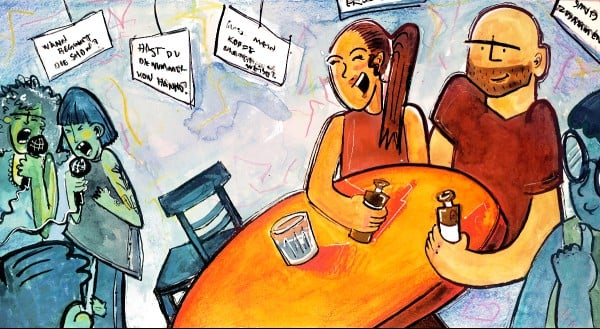
Illustration: Daniel Marin MedinaWhen looking for the perfect tandem partner, it’s easy to feel like Goldilocks. When I moved to Berlin seven years ag
Germany, home of bland food, efficient-but-rude people, and a harsh, guttural language — at least if you listen to outdated, tone-deaf stereotype
If you’re studying the language in any capacity, it certainly wouldn’t hurt to learn how to talk about family in Indonesian. Family is an

The average human sleeps about eight hours a night for, on average, 75 years. That adds up to around two hundred and 22,000 hours in a lifetime. What
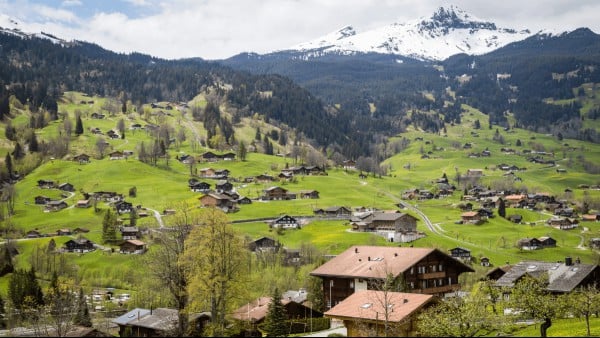
Switzerland has a population of around 8.5 million people, who live in an area about the size of the tiny U.S. states of Vermont and New Hampshire com
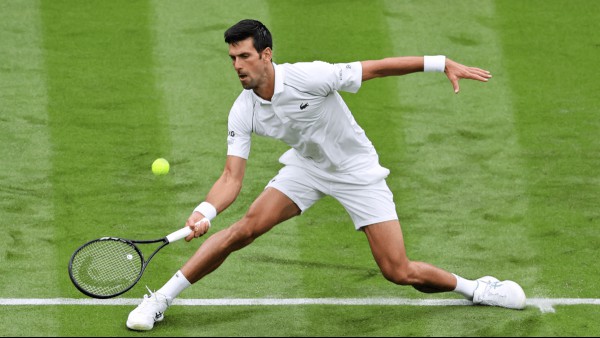
When we talk about athletes, we’re often focused on their batting average, their running speed, their weight class or their touchdown record. Th
We are a comprehensive and trusted information platform dedicated to delivering high-quality content across a wide range of topics, including society, technology, business, health, culture, and entertainment.
From breaking news to in-depth reports, we adhere to the principles of accuracy and diverse perspectives, helping readers find clarity and reliability in today’s fast-paced information landscape.
Our goal is to be a dependable source of knowledge for every reader—making information not only accessible but truly trustworthy. Looking ahead, we will continue to enhance our content and services, connecting the world and delivering value.