
The History of the German Language
With over 100 million speakers, German is currently the most spoken language in the EU. But where does German — with its complex grammar and endless v
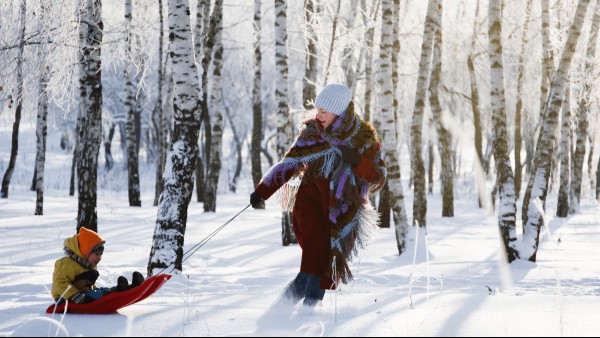
Norwegian culture is like pretty much every other culture in the sense that family is a pretty big deal. But norms around living arrangements and family structures is where many cultures differ. And if you want to talk eloquently about family in Norwegian, you’ll have to master a few terms to account for the complexities you’ll encounter.
Back in the old days, it was common for multiple generations to live under one roof in Norway, but the nuclear family gradually replaced this model as people moved away from the countryside in the 19th and 20th centuries. Today, there’s much more freedom of choice around how people choose to define their families and living arrangements. Roughly 40 percent of Norwegian households are single people, and the divorce rate is high, which means extended families sometimes consist of partners or children from previous relationships. In other words, you should learn the words for stepchildren, but don’t be surprised if you hear them referred to as “bonus children” instead.
Below, you’ll find some of the most common terms you’ll need to talk about family in Norwegian. You can click the play button to hear how they’re pronounced by a native speaker.
a family — en familie
relatives — slektninger
extended family — fjerne slektninger
ancestors — forfedre
a descendant — et avkom
parents — foreldre
a mother — en mor
a father — en far
children — barn
a daughter — en datter
a son — en sønn
siblings — søsken
a brother — en bror
a sister — en søster
a stepchild — et stebarn
a half-brother — en halvbror
foster parents — fosterforeldre
a guardian — en formynder
a grandmother — en bestemor
a grandfather — en bestefar
a grandchild — et barnebarn
an aunt — en tante
an uncle — en onkel
a nephew — en nevø
a niece — en niese
a cousin — en fetter (masc.) / en kusine (fem.)
a second cousin — en fetter annengrades
parents-in-law — svigerforeldre
great-grandparents — oldeforeldre

With over 100 million speakers, German is currently the most spoken language in the EU. But where does German — with its complex grammar and endless v

You might be just starting out on your language studies, but don’t sleep on learning the vocabulary for family in Portuguese. Family is the hear

The coronavirus has revealed a lot about society, not all of which is good. But one positive aspect of the human psyche that we’ve been looking
Subscribe to Multilinguish on Apple Podcasts, Spotify, Google Play, Stitcher or wherever you listen. Most of us take it for granted that we can talk,
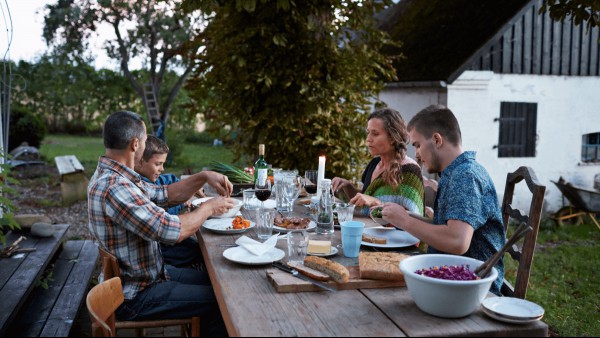
A great deal of ink has been spilled over the Danish concept of hygge, which is way bigger than just a feeling of comfort or coziness you might e

Relative to some other languages (mostly European ones), English vocabulary isn’t too heavy on gender — for example, unlike Romance languages, th

Reading a book in its original language is, in our opinion, one of the best parts of learning a new language. Sure, literature in translation is great

The hardest part of learning Polish, or really any language, isn’t the grammar or the vocab — it’s keeping your motivation up. Language le
We are a comprehensive and trusted information platform dedicated to delivering high-quality content across a wide range of topics, including society, technology, business, health, culture, and entertainment.
From breaking news to in-depth reports, we adhere to the principles of accuracy and diverse perspectives, helping readers find clarity and reliability in today’s fast-paced information landscape.
Our goal is to be a dependable source of knowledge for every reader—making information not only accessible but truly trustworthy. Looking ahead, we will continue to enhance our content and services, connecting the world and delivering value.