
How To Apologize In French
The first thing you need to learn about saying “sorry” in French is that you probably won’t say it nearly as much as you might be in
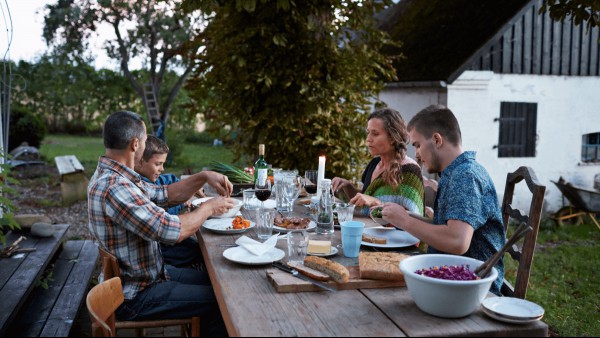
A great deal of ink has been spilled over the Danish concept of hygge, which is way bigger than just a feeling of comfort or coziness you might experience by a campfire. Hygge is woven into everyday expressions like “Nice to meet you,” and it often evokes the feeling of being in the company of people who are dear to you. In other words, if you’re going to talk about hygge, it’s not unlikely you’ll wind up talking about family in Danish as well.
But first, you’ll need to learn some basic vocabulary terms. They may also subvert some of your expectations around how familial terms are supposed to work. For instance, “granddaughter” and “grandson” are gender-neutral in Danish (in that you use one word to describe both), but “cousin” isn’t. Why? Who knows, but English certainly isn’t the standard bearer of grammatical gender.
Below, you’ll find the most common terms you’ll need to talk about family in Danish. To hear how they’re pronounced by a native speaker, click the play button next to each word.
a family — en familie
relatives — slægtninge
extended family — fjerne slægtninge
ancestors — forfædre
a descendant — en arving
parents — forældre
a mother — en mor
a father — en far
children — børn
a daughter — en datter
a son — en søn
siblings — søskende
a brother — en bror
a sister — en søster
a stepchild — et stedbarn
a half-brother — en halvbror
foster parents — plejeforældre
a guardian — en formynder
a grandmother — en bedstemor
a grandfather — en bedstefar
a grandchild — et barnebarn
an aunt — en tante
an uncle — en onkel
a nephew — en nevø
a niece — en niece
cousin — en fætter (masc.) / en kusine (fem.)
a second cousin — en grandfætter (masc.) / en grandkusine (fem.)
parents-in-law — svigerforældre
great-grandparents — oldeforældre

The first thing you need to learn about saying “sorry” in French is that you probably won’t say it nearly as much as you might be in

The English language is a patchwork. Despite being a Germanic language, its linguistic influences come from all over. Words we use every day might hav

Language is one of the most complex phenomena in the universe, and yet we encounter it every single day of our lives in a way that many of us take for
Receiving guests is a time-honored tradition in virtually every part of the world. Many cultures have developed entire codes of etiquette around their

Why is a car masculine but a house feminine? There are some questions we’ll never really know the answer to. When you first start learning Spani
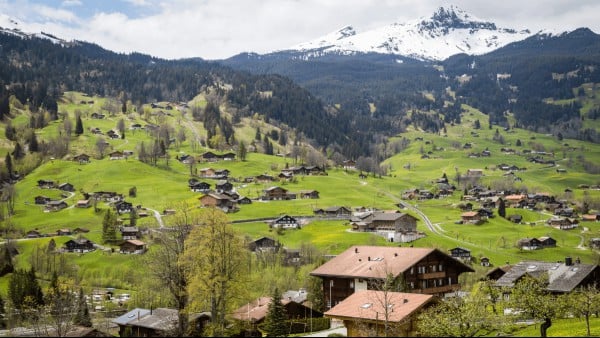
Switzerland has a population of around 8.5 million people, who live in an area about the size of the tiny U.S. states of Vermont and New Hampshire com

You may have heard that the longest word in the world is antidisestablishmentarianism. This 28-letter word, which is the name of a movement in 19th ce

Europe can be a tricky thing to define. According to the Ancient Greeks, Europa was the beautiful princess abducted by Zeus and taken to the island of
We are a comprehensive and trusted information platform dedicated to delivering high-quality content across a wide range of topics, including society, technology, business, health, culture, and entertainment.
From breaking news to in-depth reports, we adhere to the principles of accuracy and diverse perspectives, helping readers find clarity and reliability in today’s fast-paced information landscape.
Our goal is to be a dependable source of knowledge for every reader—making information not only accessible but truly trustworthy. Looking ahead, we will continue to enhance our content and services, connecting the world and delivering value.