
Do All Languages Have Inherent Value?
When considering the inherent value of languages, it’s important to think about the numbers: Across the world today, there are 7,117 spoken lang
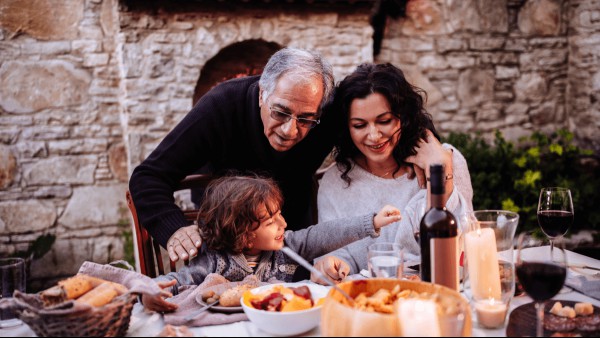
Family is a pretty big deal in Italian culture. And that’s not to suggest that it’s not a big deal in every other culture. But in contrast to American norms, Italians stick very closer together. Though this is becoming more and more acceptable in the United States, it’s not uncommon at all for Italians to live with their parents until they’re in their late 20s. And don’t even go there when it comes to dissing someone’s ancestry unless you’re really looking for a fight. If you’re a student of the language, you won’t get very far without learning to name members of the family in Italian.
If you’re familiar with other Romance languages, then you’ll probably find this list fairly intuitive to navigate, but do note that most of these terms are fairly gendered, i.e. there are different ways to refer to your cousins depending on their gender.
One other special quirk to note: the word for grandson and nephew (and by extension, granddaughter and niece) are the same. Oh, and watch out with il fratellastro — this can mean both “half-brother” and “stepbrother” in English!
Here are some terms you’ll need to discuss family in Italian. Just click the play button to hear how they’re pronounced by a native speaker.
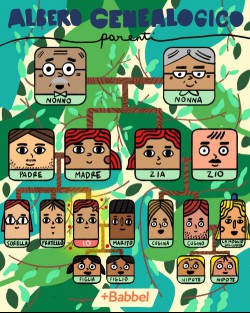
the family — la famiglia
the relatives — i parenti
the extended family — i parenti lontani
the descendant — il discendente
the ancestor — l’antenato
the parents — i genitori
the mother — la madre
the father — il padre
the children — i figli
the daughter — la figlia
the son — il figlio
the brother — il fratello
the sister — la sorella
the siblings — i fratelli
the stepchild — il figliastro
half-brother — il fratellastro
the foster parents — i genitori affidatari
the guardian — il tutore
the grandmother — la nonna
the grandfather — il nonno
the grandson — il nipote
the granddaughter — la nipote
the nephew — il nipote
the niece — la nipote
the aunt — la zia
the uncle — lo zio
the cousin — il cugino (m.) / la cugina (f.)
the parents-in-law — i suoceri
the great-grandparents — i bisnonni
the second cousin — il cugino di secondo grado

When considering the inherent value of languages, it’s important to think about the numbers: Across the world today, there are 7,117 spoken lang

Thanksgiving is the epitome of a traditional American holiday. If you live in the United States, you probably celebrate Thanksgiving in some way regar

The coronavirus has revealed a lot about society, not all of which is good. But one positive aspect of the human psyche that we’ve been looking

A smooch is just a smooch — until, of course, it lands you in jail. No, this isn’t going to read like the PDA version of a “say no to drug

At some point in every language learner’s journey — often very early on — a situation arises that you’ll wish to express polite regret for

The German language doesn’t always make things easy. The Case of the Possessive Genitive S is as complicated as, well, the German concept of case. For

So, you want to move to Montreal or Quebec City. Often billed as a slice of Europe within North America, it’s easy to see the appeal. As French-speaki

There are many, many English TV shows. If you want to use television to learn a language, you have plenty of options. The issue you’ll more like
We are a comprehensive and trusted information platform dedicated to delivering high-quality content across a wide range of topics, including society, technology, business, health, culture, and entertainment.
From breaking news to in-depth reports, we adhere to the principles of accuracy and diverse perspectives, helping readers find clarity and reliability in today’s fast-paced information landscape.
Our goal is to be a dependable source of knowledge for every reader—making information not only accessible but truly trustworthy. Looking ahead, we will continue to enhance our content and services, connecting the world and delivering value.